Practical Writing Activities
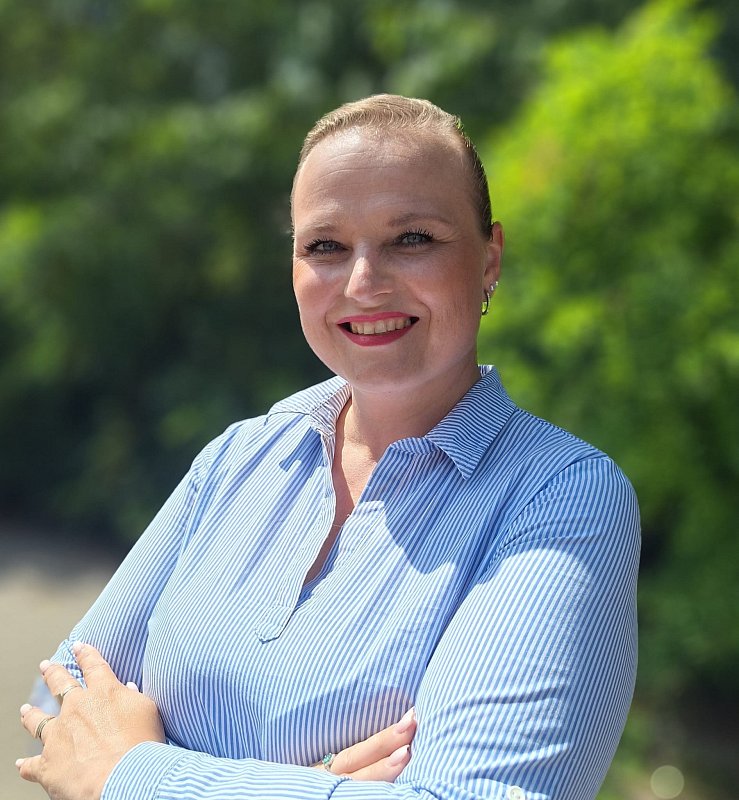
Katerina Koksteinova was interviewed by David Koster about her upcoming book Practical Writing Activities.
Welcome, Katka. It's a great pleasure to have you with us to talk about Practical Writing Activities today
Thank you.
Why did you write Practical Writing Activities?
Okay, so this is actually a funny story. I never intended to write a book, especially not a textbook or a handbook. However, when we started preparing students for Cambridge exams, we often felt as if we were drowning rather than swimming. So it was quite difficult. And I know there are plenty of materials to support exam preparation. But, I felt like there were not many that would actually help me in the middle of a real lesson, like in the middle of the class with real students. So, there was the question, what do you do when the lesson is boring?
When your students lose attention, drive or motivation, how do you break the lesson into smaller, more meaningful parts while, still moving your students towards their goal? So these were the questions I was asking myself. How to help with this, how to help my colleagues, especially those who have just started preparing students for Cambridge exams. And writing in particular can be really challenging for both teachers and students as well. So, since I couldn’t find a resource that would help me and my students, I started gathering my thoughts, tried-and-tested classroom activities, ideas and routines, and gradually began putting them down on paper.
Thank you. You talked about the challenge of finding activities for your lessons. Was it difficult to write a book?
Well, I would love to say no, but the truth is that it was a really long and demanding process of writing, rewriting, reordering, checking, expanding, polishing. And there's a but - like a really big but. I enjoyed every minute of it, but it was really demanding. It was not an easy job to do.
Thank you. Now the book is almost ready. How will teachers and students benefit from your Practical Writing Activities handbook.
I think that the biggest advantage of this handbook is that it was created by a teacher for teachers. It comes directly from my own classroom. All the ideas actually grew from my very real struggles, small victories, and all those lessons I tried and I spent trying to make the exam preparation more meaningful and enjoyable. That was my aim because, especially teaching writing can be boring for students, for teachers, and I've put my whole heart into it.
I also kept my fellow teachers in mind, my colleagues, because I wanted to design something that is ready to use, something that teachers can turn to when they feel stuck or they need an immediate idea, just like I need it right now, I need to change my lesson, open the book, use it. And that's how teachers can benefit from that. And also the handbook should hopefully make the lessons more enjoyable for students. Whenever learning's fun, it's easier to learn. So they can use the handbook if they want to start a lesson in an engaging way, or if they need to break the lesson into smaller parts when they feel they are losing students' attention.
Thank you. Now, this is your first book. Will you write more books?
Yes. Actually, I'm planning and hoping to publish more books covering all parts of Cambridge exams or most parts of Cambridge Exams, because it's all based on my own struggles. I would like to make exam preparation easier, more practical, enjoyable for my fellow teachers and maybe especially for those who have just started preparing students for Cambridge Exams because it's a completely different way of teaching.
And…
I've been there, so
I want to make it easier for others.
Finally, I would like to say a big thank you to everyone at P.A.R.K. This book has never felt like a one-person project. From the very beginning, I have received support, honest feedback, encouragement and countless great ideas. Working together has made the book much stronger, and I have learnt so much throughout the whole journey. I am genuinely grateful for the opportunity to publish it with P.A.R.K.
Thank you very much, Katka, for your time. We're really looking forward to using Practical Writing Activities in the classroom and to others still to come.